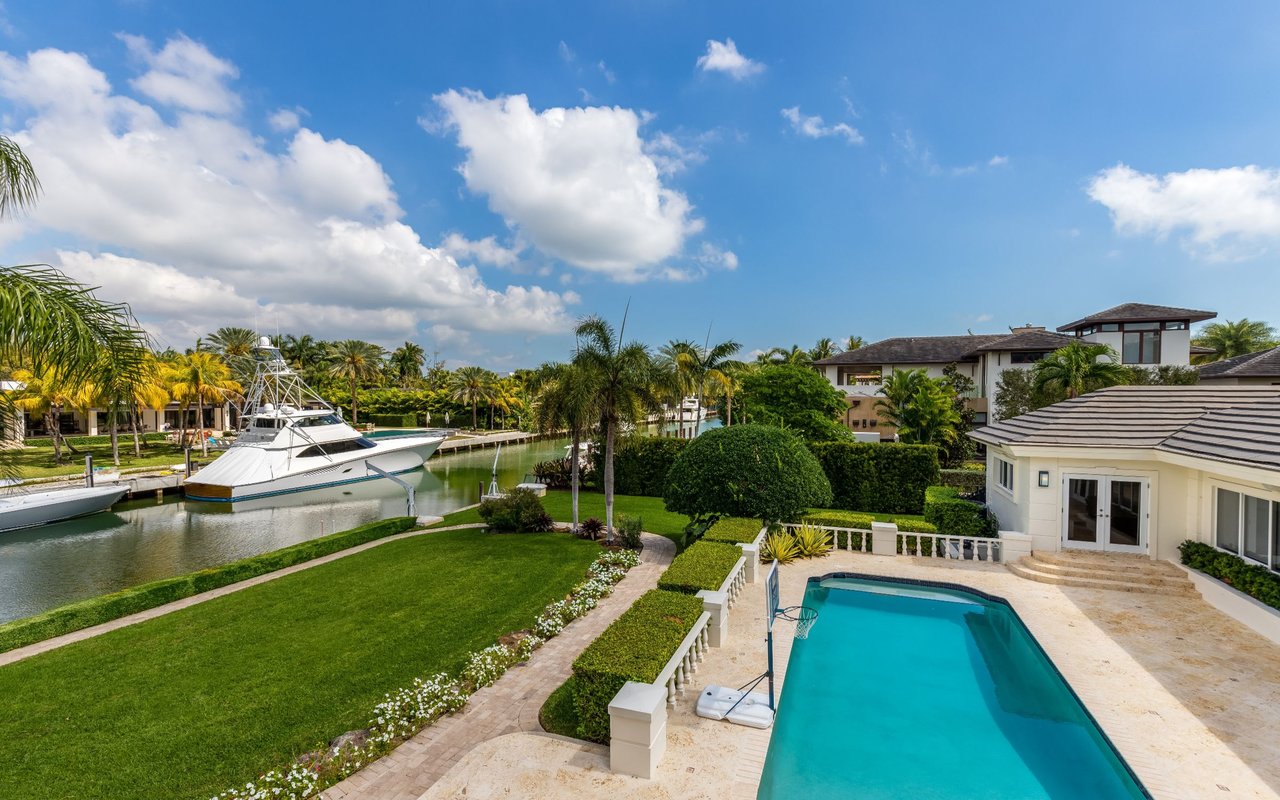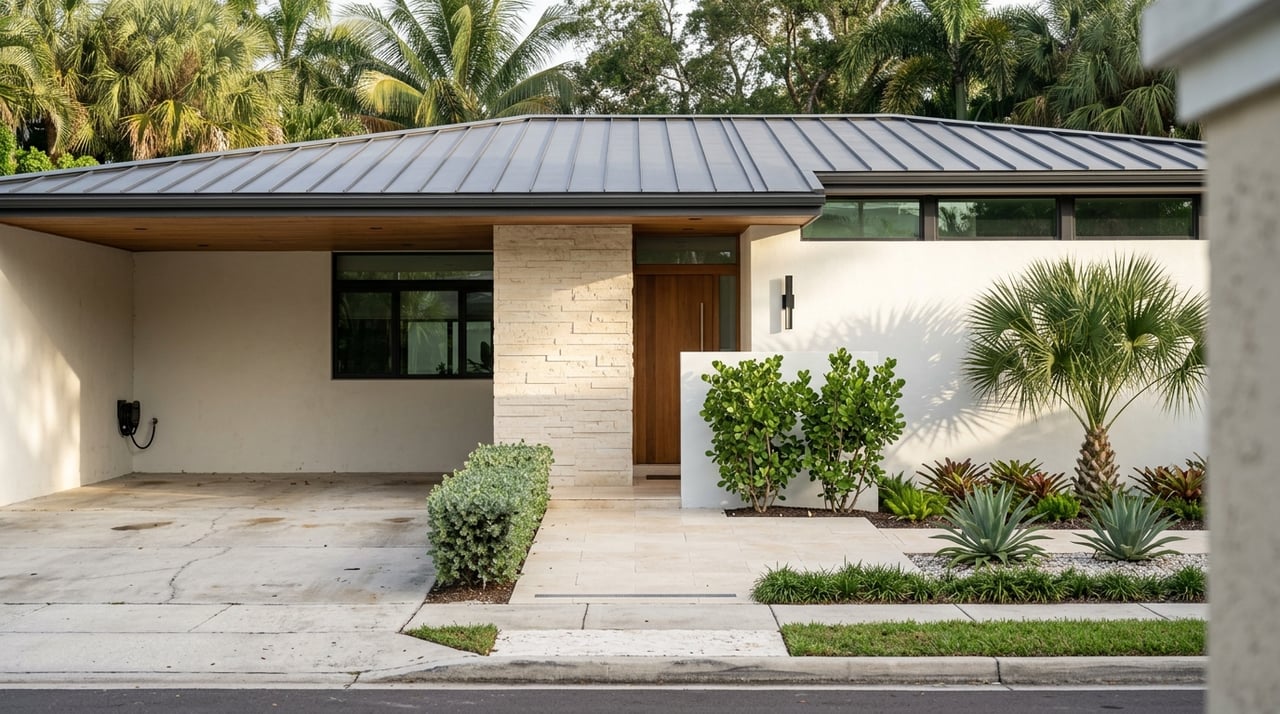
Wondering what makes West of the Trail in Sarasota feel so distinct? In 34236, the appeal is not just about location. It is about living in a part of the city where architecture, daily convenience, and bayfront access come together in a way that feels established, connected, and full of character. If you are comparing Sarasota neighborhoods or thinking about buying or selling here, this guide will show you what sets West of the Trail apart. Let’s dive in.
What West of the Trail Means in 34236
In Sarasota, West of the Trail generally refers to mainland neighborhoods west of U.S. 41, also known as Tamiami Trail. In the 34236 area, that places you near downtown Sarasota, the Bayfront, Sarasota Memorial, and the city’s network of island connections.
That geography shapes the lifestyle in a meaningful way. You are not on a barrier island, but you are close to the water, cultural destinations, dining, and everyday services. For many buyers, that combination creates a more grounded version of Sarasota living.
Why the Location Feels So Livable
One of the strongest advantages of this part of Sarasota is how easily daily life can flow. City materials describe downtown Sarasota as a walkable urban core with restaurants, bookstores, Burns Court, Selby Gardens, and recurring public events like Fresh Fridays.
Nearby Southside Village is another major draw. The city describes it as a district known for boutiques, dining, and entertainment, and it often serves as a lifestyle anchor for people who want neighborhood charm with quick access to downtown.
This part of town also benefits from strong public amenities. Sarasota Memorial is a major healthcare anchor in the surrounding south area, which adds another layer of convenience for year-round residents and part-time owners alike.
Architecture Is Part of the Appeal
West of the Trail in 34236 is not defined by a single look. Its charm comes from architectural variety and the sense that many homes have a story behind them.
Local historical sources show that neighborhoods like Cherokee Park were planned in the 1920s and developed with a range of styles over time. That means you can see everything from early revival architecture to postwar homes and later modern influences within a relatively compact area.
For buyers, that often translates into homes that feel more distinctive than what you find in newer, more uniform communities. For sellers, it means architectural character can be a meaningful part of the property story.
Common Home Styles You’ll See
The housing stock west of the trail includes several architectural layers that reflect Sarasota’s growth over the decades. Common styles referenced in local sources include:
- Mediterranean Revival homes from the 1920s
- Spanish Eclectic bungalows
- Colonial Revival homes from the 1930s
- Craftsman and bungalow-style houses
- Postwar ranch homes
- Mid-century modern and Sarasota School-influenced designs
This mix gives the area a collected feel rather than a master-planned one. It also creates a wide range of opportunities, from preserving original details to reimagining older homes through thoughtful renovation.
The Details That Buyers Notice
Part of the West of the Trail appeal is in the smaller architectural features that are harder to replicate. Historic examples in the area have included original wood floors, archways, high ceilings, built-ins, fireplaces, and screened front porches.
These details create warmth and individuality. In a market where many buyers want a home that feels memorable, those original elements can make a lasting impression.
In some pockets, lots also offer room to expand. Combined with the area’s preservation framework and ongoing evolution, that can make West of the Trail especially interesting for buyers considering renovation or new construction possibilities.
A Neighborhood-and-Waterfront Lifestyle
The lifestyle here is better described as neighborhood-and-waterfront than resort-and-beach. That distinction matters when you are choosing where in Sarasota you want to spend your time.
In 34236, Bayfront Park adds everyday access to the water with updated playground and splash-pad amenities. The Bay expands that experience even further as a 53-acre public waterfront destination with free programs, restored mangroves, and an ADA-accessible paddle launch.
Instead of centering your routine around beachfront living, West of the Trail supports a lifestyle built around walks, casual waterfront time, local dining, and easy access to city amenities. For many residents, that balance feels both active and practical.
Getting Around Without Making Every Trip a Drive
Mobility is an understated part of the appeal in this area. Sarasota’s Bay Runner trolley runs seven days a week and connects downtown Sarasota, St. Armands Circle, and Lido Key until midnight.
The city also highlights the Ringling Trail and Alderman MURT as safer connections for east-west and downtown travel. VEO bike and scooter rentals add another option for shorter trips.
That makes West of the Trail feel more flexible than many people expect. You may still drive, of course, but it is also realistic to picture walking to dinner, biking downtown, or using public waterfront spaces without planning your whole day around a car.
West of the Trail vs the Islands
For many buyers, the real decision is not whether Sarasota is the right fit. It is whether the mainland or the islands match the lifestyle they want most.
The city describes Lido Key as a mix of homes, hotels, resorts, public parks, beaches, and conservation land. St. Armands is a commercial and visitor destination with more than 130 stores and restaurants, while Bird Key is primarily single-family homes with a yacht club.
That creates a very different experience from West of the Trail. The islands tend to offer a more direct beach identity and a stronger resort setting, while West of the Trail leans into architectural character, established neighborhood texture, and close proximity to downtown services.
A Simple Way to Compare the Two
| Feature | West of the Trail 34236 | Sarasota Islands |
|---|---|---|
| Setting | Mainland neighborhoods west of U.S. 41 | Barrier island and bay island settings |
| Lifestyle feel | Neighborhood, bayfront, urban access | Beach-facing, resort-oriented |
| Architecture | Layered historic and modern mix | Varies by island and waterfront setting |
| Daily mobility | Walkable, bikeable, trolley-connected | Often more destination-based |
| Typical appeal | Character, convenience, renovation potential | Beach identity, shoreline access, resort atmosphere |
Neither option is universally better. It depends on how you want to live, how you use the property, and what type of setting feels right for your priorities.
What Buyers Should Keep in Mind
If you are considering West of the Trail, look beyond surface-level curb appeal. In this part of Sarasota, value often comes from a mix of location, lot potential, architectural integrity, and access to nearby amenities.
It is also smart to evaluate practical items early. Sarasota provides tools for checking flood zones and evacuation zones, and those are important details to confirm before purchasing, whether you are looking on the mainland or on the islands.
For buyers considering renovation or a custom build, neighborhood context matters too. Older homes, historic character, and local preservation considerations can shape what is possible and what may add long-term value.
What Sellers Can Highlight
If you own a home West of the Trail, your property story may be stronger than you think. Buyers are often drawn to this area because it feels layered, authentic, and close to the best parts of Sarasota without being defined solely by beach frontage.
That means features like original architecture, lot size, walkability, access to Southside Village, and proximity to Bayfront destinations can all matter. A thoughtful marketing approach should capture both the home itself and the everyday lifestyle that surrounds it.
For distinctive properties, especially those with architectural character or redevelopment potential, positioning is everything. The right strategy should present the home with clarity, discretion, and a strong understanding of what makes this micro-location special.
West of the Trail continues to stand out because it offers something increasingly hard to find: a Sarasota address that feels connected, storied, and genuinely livable. If you want architecture with personality and a lifestyle built around bayfront access, downtown convenience, and neighborhood texture, 34236 deserves a close look.
Whether you are searching for the right fit or preparing to position a property for the market, local insight matters. For discreet guidance on Sarasota’s most nuanced neighborhoods, connect with Cassandra Miller.
FAQs
What is West of the Trail in Sarasota 34236?
- West of the Trail generally refers to Sarasota mainland neighborhoods west of U.S. 41. In 34236, it includes areas close to downtown, the Bayfront, Southside Village, Sarasota Memorial, and key island connections.
What architectural styles are common West of the Trail?
- Common styles include Mediterranean Revival, Spanish Eclectic, Colonial Revival, Craftsman, bungalow, postwar ranch, and mid-century modern or Sarasota School-influenced homes.
How does West of the Trail differ from Lido Key or St. Armands?
- West of the Trail offers a more established mainland neighborhood feel with architectural variety and easy access to downtown services, while Lido Key and St. Armands are more closely tied to beach, resort, and visitor-oriented settings.
Is West of the Trail walkable for daily life?
- Many parts of the area benefit from proximity to Southside Village, downtown Sarasota, Bayfront destinations, bike and scooter options, and the Bay Runner trolley, which supports a more car-light lifestyle for some errands and evenings out.
What should buyers check before purchasing in Sarasota 34236?
- Buyers should review property-specific details such as flood zone and evacuation zone information, along with any renovation or preservation considerations that may affect older or architecturally notable homes.