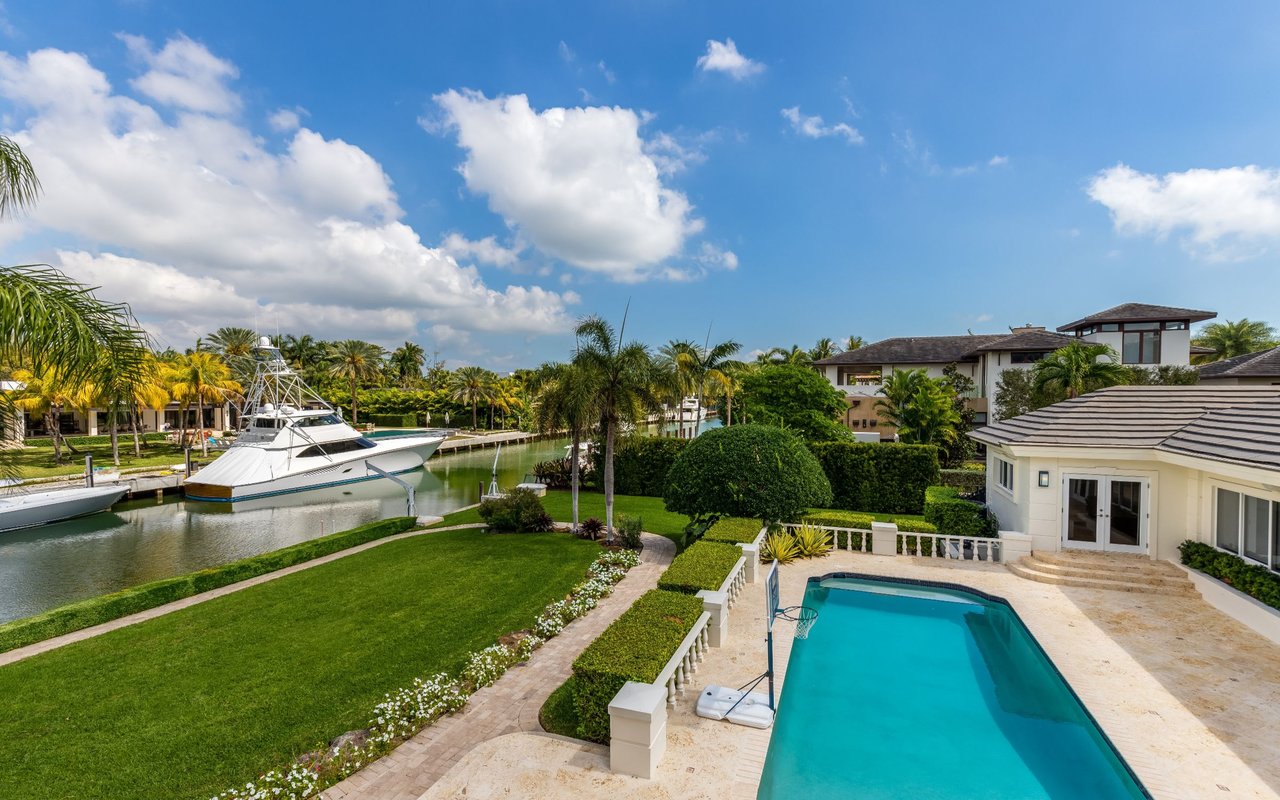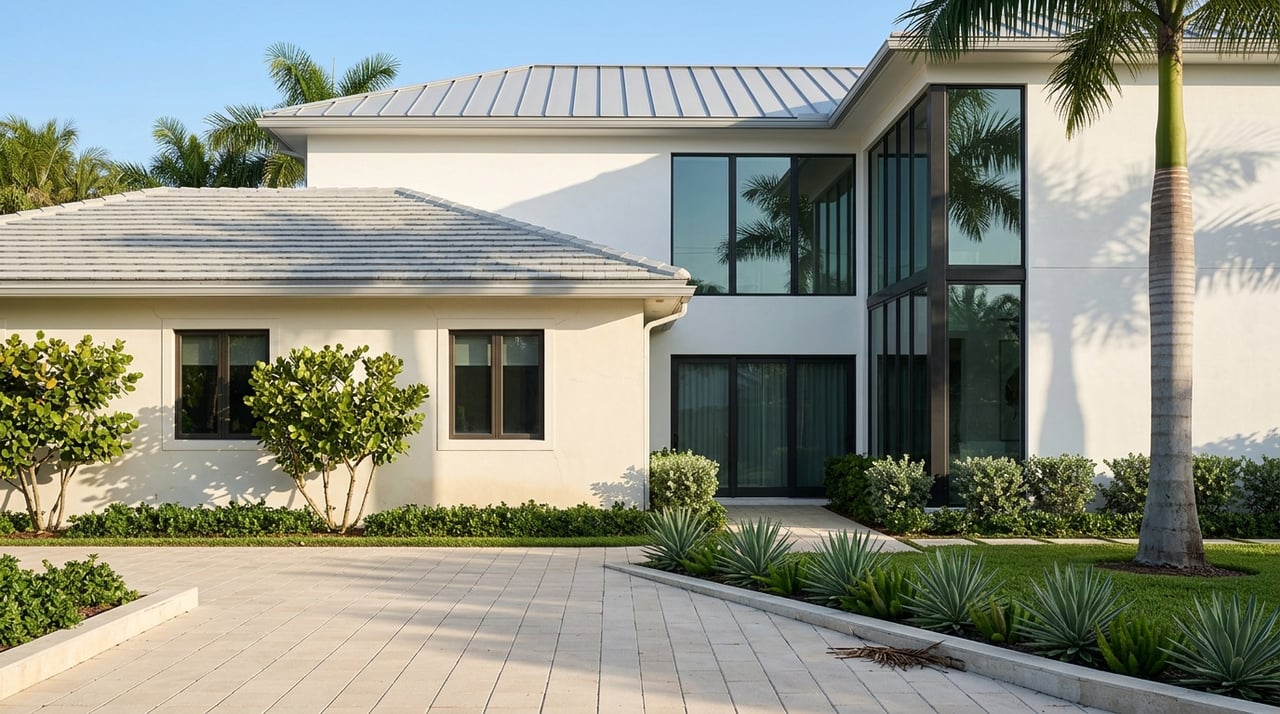
If you are considering Lido Shores, one question matters more than almost anything else: should you buy an existing home, renovate one, or start fresh with a new build? In this part of Sarasota, that choice is rarely simple. Lido Shores is a distinctive coastal neighborhood where flood rules, design limits, association requirements, and property-specific conditions can shape your options quickly. This guide will help you understand what to review before you commit, so you can move forward with more clarity and confidence. Let’s dive in.
Why Lido Shores Requires A Different Approach
Lido Shores is not a typical teardown-or-remodel neighborhood. According to the City of Sarasota’s coastal-islands planning framework, the area is developed exclusively with single-family homes and recreation or conservation lands. That means your decision is usually not about changing the use of a property, but about understanding what the specific lot and existing structure can realistically support.
The neighborhood also sits in a setting that blends coastal regulation with architectural sensitivity. The city identifies nearby Lido Beach as a historic area known for Mid-Century Modern architecture, and Sarasota’s historic-preservation program encourages Sarasota School of Architecture structures that are younger than 50 years old to apply for designation. For you as a buyer, that creates a more nuanced decision than simply comparing lot value versus house value.
Buying An Existing Home In Lido Shores
If you want immediate enjoyment, an existing home may be the most direct path. You can evaluate the location, layout, water access, and overall condition before taking on the time and complexity of a build. In Lido Shores, though, buying an existing home still requires deeper due diligence than many other Sarasota neighborhoods.
A coastal property can come with floodplain considerations that affect insurance, future improvements, and long-term costs. The City of Sarasota says the current Flood Insurance Rate Maps and Flood Insurance Study for Sarasota County and the city became effective on March 27, 2024, and new building and design projects must use those maps. The city also notes that updated maps may include Coastal A Zone and LIMWA information in some coastal areas, which is especially important on barrier-island parcels.
Ask For The Elevation Certificate Early
One of the first documents to request is the elevation certificate. The City of Sarasota says elevation certificates are used for floodplain compliance and insurance pricing. The city does not prepare them, but sellers or builders may have one, and the city may also have some on file.
Getting this document early can help you understand how the home sits relative to flood requirements and how that could affect insurance costs or future renovation plans. It is one of the most useful early-stage documents for a Lido Shores purchase.
Reset Your Insurance And Tax Assumptions
It is smart to avoid relying on the current owner’s carrying costs. Sarasota participates in the Community Rating System as a Class 5 community, which the city says can reduce flood insurance premiums by up to 25% for policyholders. Even with that benefit, your actual premium can still differ based on the property and your policy details.
Taxes also need a fresh review. The Sarasota County Property Appraiser warns buyers not to assume the previous owner’s taxes, caps, or exemptions will transfer after closing. If you plan to make the property your primary residence, the homestead exemption deadline is March 1.
Review The POA Before Closing
Lido Shores has an active property owners association. The city notes that neighborhood associations may impose their own construction rules, and that can matter whether you are buying a finished home, planning a renovation, or considering a future rebuild.
Before you close, request and review:
- Property owners association documents
- Current dues information
- Any architectural or construction requirements
- Approval processes that may apply to future work
Renovating In Lido Shores
A renovation can be appealing if you like the lot, location, or character of an existing home but want to modernize it. In Lido Shores, renovation strategy should always start with flood compliance review. The biggest issue is often not the cosmetic scope, but whether the work triggers a substantial-improvement threshold.
The City of Sarasota states that if the cost of reconstruction, rehabilitation, additions, or other improvements equals or exceeds 50% of the structure’s market value, the building must be upgraded to meet the same construction requirements as a new building. This is commonly called the FEMA 50% rule.
Why The 50% Rule Matters
This threshold can significantly affect your budget and design choices. A renovation that seems straightforward at first can become much more expensive if it crosses the 50% mark and requires full compliance upgrades. The city also says new construction and substantially improved buildings must be built at least 1 foot above base flood elevation.
That is why renovation candidates in Lido Shores should be evaluated carefully before you finalize pricing or scope. The right team can help you determine whether a home is a light-update opportunity, a major rehab, or effectively a rebuild in disguise.
Building A New Home In Lido Shores
For some buyers, building new offers the clearest path to getting the design, layout, and materials you want. In a neighborhood as specialized as Lido Shores, though, the design process needs to begin with lot analysis, not just inspiration boards.
Where the City of Sarasota’s Coastal Islands Overlay applies, the rules are specific. The overlay sets a maximum height of 35 feet for parcels on the coastal islands, measured from the minimum FEMA elevation. It also sets a maximum impervious-surface coverage limit of 70% and does not allow accessory dwelling units within the overlay.
Test The Lot Before You Design The House
Those limits affect how large and how tall a home can be, along with how much hardscape and site coverage the property can accommodate. In practice, your architect and builder should study the lot first, then confirm whether your concept fits the city overlay and flood rules before you invest heavily in full construction drawings.
This step matters because a design that works beautifully on paper may not fit the parcel once height, elevation, footprint, and coverage constraints are applied. In Lido Shores, that early feasibility work can save both time and significant redesign costs.
Historic Review Can Affect Some Properties
Sarasota’s Development Review staff works with project teams to align new development with the city plan and code. For historically designated properties, the city requires a Certificate of Appropriateness for exterior changes, and eligible demolition proposals go through historic review.
The city’s preservation program also says properties considered for historic designation should generally be more than 50 years old, while Sarasota School structures younger than 50 years old are encouraged to apply for designation. If you are considering an older property with architectural significance, historic status should be verified early in your decision process.
Waterfront And Beachfront Build Considerations
Some Lido Shores properties need an extra layer of coastal review. On beach-facing parcels, Florida’s Coastal Construction Control Line program can regulate construction seaward of the CCCL on sandy beaches. The program’s forms include an elevation certificate for habitable structures, which is another reason flood and elevation data matter so much at the beginning of the process.
The broader shoreline context also deserves attention. The City of Sarasota says the current Lido Beach project is advancing shoreline renourishment and dune construction, with work aimed at restoring and fortifying the beach through 2025 to 2027. If you are evaluating a beach-facing or coastal parcel, it is worth understanding how shoreline conditions and coastal protections relate to your plans.
Dock Plans Need Separate Due Diligence
If your goals include dockage or waterfront improvements, that work follows its own review path. Sarasota’s dock checklist requires site-plan details that show lot lines extended into the water, dock length measured from the mean high water line, and a Florida DEP letter of exemption or permit for all new docks and expansions.
If the project involves an open-water dock in Sarasota Bay, the city may also require a signed and sealed bathymetric survey. For buyers focused on boating access, dock feasibility should be reviewed as early as the home itself.
Buy, Renovate, Or Build?
The right path depends on what you value most: speed, architectural flexibility, lot quality, or long-term customization. In Lido Shores, the smartest decision usually comes from matching your goals to the property’s regulatory reality.
Here is a simple way to think about it:
- Buy as-is if you want a faster move and the home already fits your lifestyle goals.
- Renovate if you love the parcel or location and the improvement scope can be managed without unexpected compliance costs.
- Build new if you want a tailored result and the lot can support your vision under flood, height, and coverage limits.
Your Lido Shores Advisory Team Matters
In a neighborhood like this, coordination is not a luxury. It is part of protecting your investment. Sarasota’s building department says state-certified contractors, state-registered contractors, and specialty tradespersons must register with the city before pulling permits or performing work, and the city also notes that neighborhood associations may require compliance with their own rules before a permit is issued.
For many Lido Shores purchases, the most effective team includes:
- A surveyor
- Title or legal support familiar with coastal property review
- An architect experienced in coastal and architecturally sensitive work
- A builder already registered to work in Sarasota
- A dock or coastal engineer for waterfront lots
With the right guidance, you can line up flood-zone review, elevation certificates, tax and association documents, overlay checks, historic-status review, and permit planning before you commit to a strategy. That kind of upfront coordination is often what separates a smooth decision from an expensive surprise.
Lido Shores offers a rare combination of coastal setting, architectural interest, and long-term appeal, but it rewards buyers who look closely before they act. If you are weighing whether to buy, renovate, or build in this neighborhood, a careful property-by-property review can help you choose the path that fits both your vision and the site itself. For discreet, founder-led guidance on Lido Shores acquisitions and new-construction planning, connect with Cassandra Miller.
FAQs
What should you review before buying a home in Lido Shores?
- You should review the elevation certificate, current flood-zone information, property owners association documents, tax assumptions, and any limits that could affect future renovation or rebuilding.
How does the FEMA 50% rule affect a Lido Shores renovation?
- The City of Sarasota says that if improvement costs equal or exceed 50% of the structure’s market value, the building must be upgraded to meet the same construction requirements as a new building.
What building limits apply to new homes in Lido Shores?
- Where the Coastal Islands Overlay applies, the city sets a 35-foot maximum height measured from the minimum FEMA elevation, a 70% maximum impervious-surface coverage limit, and no accessory dwelling units.
Can historic review affect a property in Lido Shores?
- Yes. Historically designated properties may require a Certificate of Appropriateness for exterior changes, and some demolition proposals can go through historic review.
What should waterfront buyers know about docks in Lido Shores?
- New docks and dock expansions require separate due diligence, including city site-plan requirements and a Florida DEP letter of exemption or permit, with some Sarasota Bay projects also needing a bathymetric survey.
Is building in Lido Shores more complex than buying an existing home?
- In many cases, yes. Building or rebuilding usually requires close review of flood maps, elevation requirements, overlay rules, lot coverage, height limits, and any applicable association or coastal permitting requirements.