Trying to decide between a condo and a single-family home on Siesta Key? The right choice comes down to how you want to live, what you plan to spend each month, and how much control you want over rules, rentals, and boating. You deserve a clear picture before you commit. This guide breaks down costs, association rules, docks and seawalls, insurance, financing, and a simple checklist you can use during showings. Let’s dive in.
Condo vs home at a glance
- Best if you want low maintenance: Condo. Exterior care, common areas, and often building insurance are handled by the association.
- Best if you want maximum control: Single-family home. You set the rules, but you also handle all maintenance and insurance.
- Monthly costs: Condos add HOA dues that can range from modest to several thousand dollars per month, depending on the building and amenities. Homes skip HOA dues in most cases but have higher direct maintenance and full dwelling insurance.
- Rental use: Condos often limit short-term rentals through minimum lease terms. Single-family homes follow Sarasota County rules and any neighborhood covenants.
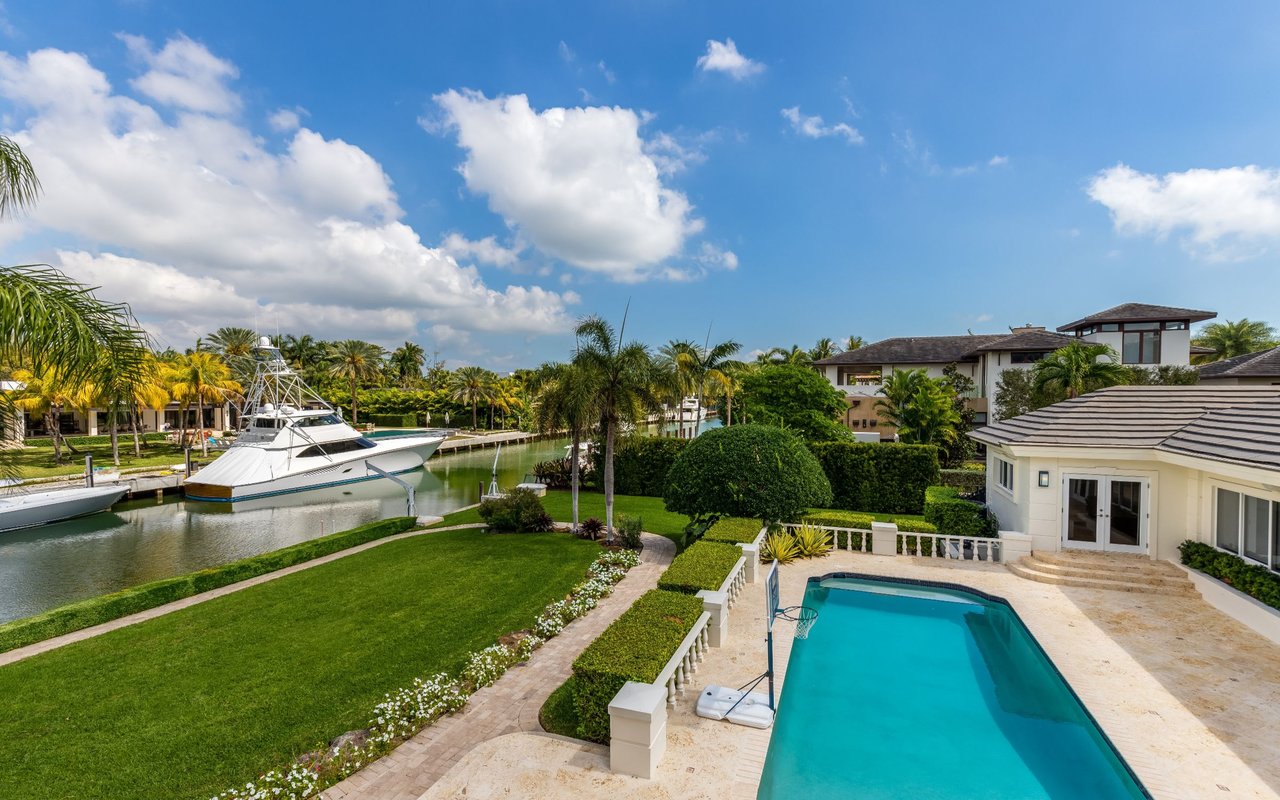
- Boating: Some condos offer limited slips with waitlists. Many homes have private docks and seawalls, but you are responsible for upkeep and permits.
What drives total cost
Recurring costs to expect
- Condos: You will pay monthly or quarterly HOA dues for common-area maintenance, building insurance, landscaping, pools, elevators, and sometimes utilities. Dues vary widely by building and amenities, so verify the current schedule and what is included. You still carry an HO-6 policy for your unit interior and personal property.
- Homes: You will pay full dwelling insurance, property taxes, utilities, landscaping, pool service, and any seawall or dock upkeep. If the home is in a neighborhood with an HOA, add those dues to your budget.
- Taxes: Check the current assessed value, millage, and exemptions on the Sarasota County Property Appraiser site before you estimate annual property taxes.
Insurance and flood risk
- Condos: The association carries a master policy for the building. Confirm policy type, what it covers, and hurricane wind deductibles, which the board may assess to owners after a loss.
- Homes: You buy full structural coverage. Coastal properties often have higher wind deductibles or separate wind policies. If the property sits in a FEMA special flood hazard area, flood insurance is typically required by lenders.
- Flood zones: Much of Siesta Key lies in AE or VE zones. Look up the property’s flood zone and base flood elevation on the FEMA Flood Map Service Center and review any elevation certificate.
- Florida insurance context: For market conditions and carriers, consult the Florida Office of Insurance Regulation and, if applicable, information from Citizens Property Insurance.
Maintenance and capital items
- Homes: Plan for ongoing maintenance. Coastal exposure can push upkeep higher, especially for roofs, pools, seawalls, and docks. Major items like seawalls and docks can be episodic but significant.
- Condos: Exterior capital work is often the association’s responsibility and funded by reserves. The quality of the reserve study and funding level matters. Review them closely.
Special assessments and reserves
- Condos: Associations can levy special assessments for shortfalls. Review the reserve study, current balances, recent board minutes, and any history of assessments for roofs, elevators, or seawalls.
- Homes: You carry 100 percent of capital costs. There is no cost-sharing unless a private agreement exists with neighbors.
Rules and rental use
Condo governance and restrictions
Condominium governing documents set leasing, pet, guest, parking, and dock rules. Many Siesta Key condos impose minimum lease terms that limit short stays. Some allow limited short-term rentals with registration and fees, while others restrict rentals or cap the percentage of rentable units. Ask for the Declaration, Bylaws, Rules and Regulations, rental rules, and recent rental history if you plan to rent. For framework and statutory requirements, review Florida’s condominium law in Chapter 718 of the Florida Statutes.
Single-family rentals on Siesta Key
Most of Siesta Key lies in unincorporated Sarasota County, not the City of Sarasota. Single-family homes must follow county rules for short-term rentals, including any registration, safety, parking, occupancy, and tax requirements. Check current guidance on the Sarasota County government site and refer to the county’s Code of Ordinances for specifics. Always confirm neighborhood covenants and deed restrictions.
Docks, seawalls, and boating access
Condo slips and waterfront access
Some waterfront condo communities offer association docks or slips. Availability is often limited, with waitlists and owner-only use. Size limits and engine restrictions may apply. Dredging, seawall projects, and dock repairs are typically an association responsibility funded through dues and reserves, but always confirm how costs are allocated.
Single-family waterfront responsibilities
Many Siesta Key homes on canals or the bay include private docks and seawalls. You are responsible for maintenance, permits, and any replacement projects. On barrier islands, county and state permitting is stricter and may include environmental reviews. Before you buy, request permit histories and any submerged lands leases or recorded agreements.
Replacement cycles and costs
Seawalls and docks can require major work every 20 to 40 years, depending on materials and exposure. Costs vary by length and complexity. For due diligence, look for recent inspection reports and any planned seawall projects noted in condo documents or seller disclosures. Contact the county for permitting steps on the Sarasota County government site.
Lifestyle tradeoffs on Siesta Key
Beach access and proximity
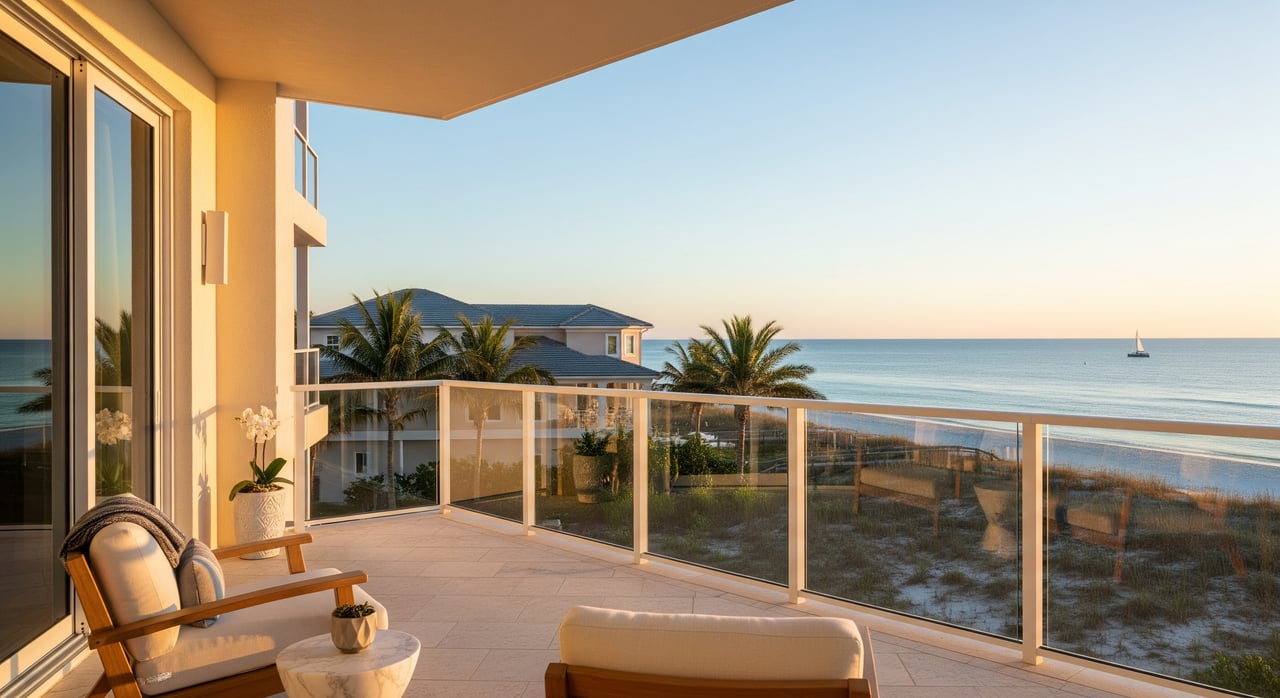
Condos often sit closer to the sand or provide a deeded path across common areas. Many places put you within a short walk of Siesta Key Village or beach amenities. Homes offer more privacy, outdoor space, and storage, though you may be farther from village centers.
Parking and traffic
Condos allocate owner and guest parking by building rules and enforce them. Homes typically have private driveways. Street parking can be limited in season, so review posted county restrictions during peak months.
Seasonality and daily rhythm
Siesta Key is a seasonal market with peak tourism in winter and spring. Condos can see higher turnover and more transient guests depending on lease rules. Owner-occupied homes may feel quieter year-round.
Pets and everyday living
Condos often cap the number, size, or type of pets. Homes usually offer greater flexibility, subject to local leash and clean-up laws. Confirm any neighborhood restrictions before you commit.
Financing and resale considerations
- Condos: Lenders may require a project review or approval. Associations with pending litigation, inadequate reserves, or high rental ratios can face financing hurdles. This can affect your interest rate options and future resale pool.
- Homes: Financing usually focuses on property condition and flood risks rather than project-level issues. Broader buyer pools and easier underwriting can help future marketability.
- Taxes: If you intend to occupy the property as your primary residence, research Florida homestead rules and how exemptions may affect your tax bill.
What to verify: buyer checklist
Use this list during showings and when you go under contract:
- Property taxes: Current bill, assessed value, and exemptions from the Sarasota County Property Appraiser.
- Flood and elevation: FEMA flood zone and base flood elevation from the FEMA Flood Map Service Center; obtain an elevation certificate if available.
- Insurance: Recent estimates for wind, flood, and HO-3 or HO-6 coverage; review how hurricane deductibles work.
- Condition: Full home inspection; for waterfront homes, add a seawall and dock inspection and request maintenance records.
- Condo documents: Declaration, Bylaws, Rules and Regulations, budget, reserve study, master insurance certificate, financials, board minutes for the past 12 to 24 months, and any litigation disclosures.
- Rentals: Condo leasing rules and history. For homes, confirm county STR rules and tax requirements on the Sarasota County government site.
- Permits and docks: For waterfront, request dock and seawall permit histories and any shared maintenance agreements.
Two common buyer paths
- Low-maintenance coastal living, no STR plan: Consider a well-managed condo with strong reserves, clear leasing rules, and the amenities you will actually use. Verify HOA dues and master insurance details before you write an offer.
- Private dock and full control: A single-family waterfront home fits best. Budget for seawall and dock upkeep, higher insurance, and occasional capital projects. Confirm permits and flood elevation early in the process.
Next steps
Choosing between a condo and a home on Siesta Key should feel clear, not complicated. If you want a tailored cost-of-ownership comparison, a review of HOA documents, or guidance on docks and permitting, connect with Cassandra Miller for a confidential, local plan.
FAQs
What affects monthly costs on Siesta Key condos?
- HOA dues, master insurance allocations, your HO-6 policy, property taxes, and utilities drive the monthly total, along with any special assessments noted in association documents.
How do Sarasota County short-term rental rules apply to homes?
- Single-family homes in unincorporated Siesta Key must follow county requirements for registration, safety, parking, occupancy, and tourist tax collection; always verify current rules with the county.
Who maintains docks and seawalls at condos vs homes?
- Condo associations typically handle shared docks and seawalls using dues and reserves, while single-family homeowners are responsible for their private seawalls and docks, permits, and repairs.
How do flood zones impact insurance on Siesta Key?
- Properties in FEMA AE or VE zones often require flood policies and may face higher wind deductibles; verify the specific flood zone and elevation for accurate quotes.
Why can condo financing be harder than a home?
- Lenders may require condo project approval and review reserves, litigation, and rental ratios, which can limit loan options, while single-family homes usually avoid project-level hurdles.