Wondering whether an older West of the Trail home is a smart renovation opportunity or a costly surprise? In Sarasota’s 34236 area, the answer often has less to do with finishes and more to do with zoning, flood rules, trees, and historic review. If you are weighing a purchase or sizing up a repositioning project, this guide will help you focus on the issues that most often shape cost, timing, and what is actually possible. Let’s dive in.
Why first impressions can mislead
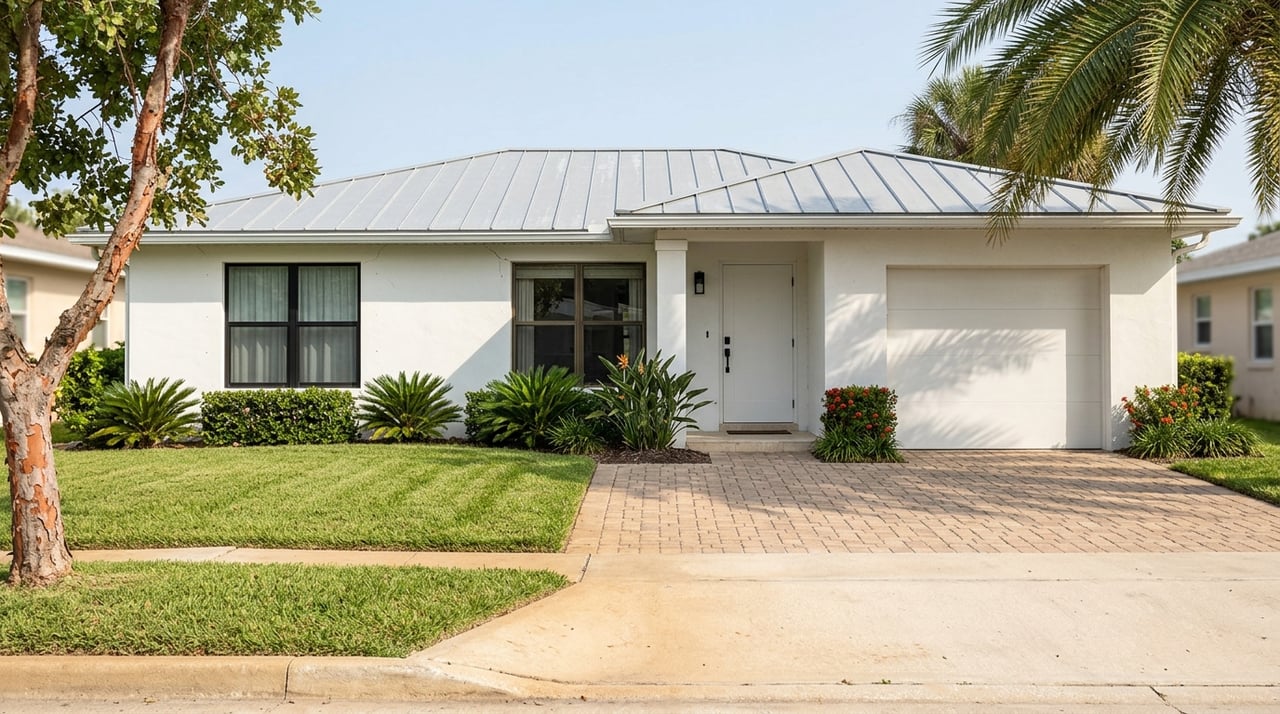
Older homes West of the Trail often have charm, established lots, and strong long-term appeal. But in Sarasota, the visible house is only part of the story. Before you price a kitchen update or plan an addition, you need to understand the parcel, the code, and the permit path.
That is especially true in 34236, where older homes may sit on lots created under earlier standards. A property that looks easy to renovate may already rely on nonconforming conditions. That can affect future expansion, setback compliance, and whether your project needs a variance.
Start with zoning and lot shape
In the City of Sarasota, each parcel has a zoning designation, and development approvals and building permits are reviewed under that code. If a lot does not meet current lot-size standards, the city handles it through its nonconformity rules. That matters because an older home’s current footprint does not automatically mean you can expand it the way you want.
The city also limits some expansion of structures with nonconforming setbacks. Horizontal expansion may be allowed in some cases, but not in waterfront yards, and residential expansions are limited when an existing setback is less than three feet. In practical terms, lot geometry can shape the project before design choices ever come into play.
A good early question is simple: does the parcel comply with current code, or does it depend on a grandfathered condition? If the answer is the latter, your renovation strategy may need to be more selective. Sometimes the best move is a modest remodel rather than a larger addition.
What to review early
- Current zoning district
- Lot width and lot area
- Existing setbacks
- Lot coverage and impervious coverage
- Building height limits
- Whether the parcel appears nonconforming under current standards
Use a current survey before you plan scope
For older Sarasota homes, a current sealed survey is one of the most useful due-diligence tools. It helps confirm setbacks, easements, lot dimensions, and site constraints before you commit to a renovation budget. It also gives your inspector, contractor, and design team a clearer picture of what may be feasible.
This matters because Sarasota’s variance materials require detailed site information, including lot area, width, setbacks, coverage, height, and tree-removal information. If the survey reveals a tight envelope, you may be dealing with more than design preference. You may be looking at a code-limited property.
Check right-of-way and site-work impacts
Some renovations become more complex when work extends beyond the house itself. Sarasota’s permit forms note that a right-of-way use permit may be required if a project affects sidewalks, bike lanes, utility strips, driveways, aprons, irrigation, lighting, landscaping, or street access in the public right-of-way.
The city engineer may also require erosion-control permitting when cutting, filling, grading, or changing natural topography could affect stormwater or nearby areas. For buyers comparing two renovation candidates, this can be a major difference in cost and timing. A simple interior update is one thing. Site work that changes drainage or touches the public right-of-way is another.
Tree rules can affect design and budget
In older Sarasota neighborhoods, mature trees are often part of the appeal. They can also be part of the permitting challenge. The city requires a permit to remove or relocate any tree greater than 4.5 inches in diameter at breast height, and trees must be marked before inspection.
Grand trees have additional protections. The city also notes that neighborhood association rules may apply before a building permit is filed. If your renovation depends on moving a driveway, expanding a footprint, or reworking the yard, tree impacts should be reviewed early rather than later.
Why tree review matters
- It can limit where additions go
- It can affect driveway or pool placement
- It may add review time to the permit path
- It can change the total project budget
Flood exposure can change the math fast
In Sarasota, flood review is one of the most important parts of evaluating an older renovation property. Sarasota County says new FEMA flood maps took effect on March 27, 2024, and those updated maps can affect insurance requirements and premiums. If a home is in a Special Flood Hazard Area, that can shape both financing and renovation planning.
The more important issue for many buyers is the city’s substantial-improvement rule. The City of Sarasota states that if reconstruction, rehabilitation, additions, or other improvements equal or exceed 50 percent of the structure’s market value, the building must be brought into the same construction requirements as a new building. For flood-prone properties, that can be a major budget trigger.
The city also states that new or substantially improved buildings must be at least one foot above base flood elevation. So when you evaluate an older West of the Trail home, the real question is not just whether you can renovate it. It is whether your planned scope pushes the property into full flood-compliance territory.
Flood questions to ask early
- What flood zone is the parcel in?
- Is an elevation certificate available?
- How close is the renovation budget to the 50 percent threshold?
- Would the scope trigger elevation or broader code upgrades?
Current code still applies to older homes
A house may be decades old, but major work is still reviewed under current code. Sarasota’s building department says that building applications are subject to the 8th Edition 2023 Florida Building Code and the 2020 National Electric Code. That means older homes can face current standards for structural, electrical, energy, and flood-related work during renovation.
This is one reason cosmetic plans sometimes become broader and more expensive. Once walls move, utilities shift, or elevations change, the approval route can become more involved. Sarasota treats residential renovation, demolition, and new construction as separate permit paths, so scope matters.
Historic status deserves its own review
Many older homes in Sarasota have age and architectural character working in their favor. They may also fall within the city’s historic-preservation framework. The city says properties considered for historic designation are generally more than 50 years old, and local designation involves public hearings.
If a structure is locally designated, exterior changes require a Certificate of Appropriateness. The city reviews those changes under the Secretary of the Interior’s Standards. That does not mean renovation is off the table, but it does mean your timeline, design flexibility, and approval process may look different.
Demolition can also take longer than buyers expect. The city states that Florida Master Site File structures may be reviewed to determine whether they contribute to a historic district or may qualify for designation, and eligible structures will not receive a demolition permit until the Historic Preservation Board determines that appropriate mitigation measures have been undertaken.
Historic review checklist
- Is the home more than 50 years old?
- Is it locally designated?
- Is it listed on the Florida Master Site File?
- Would exterior work require a Certificate of Appropriateness?
- If redevelopment is the goal, could demolition review slow the process?
Waterfront parcels need a separate analysis
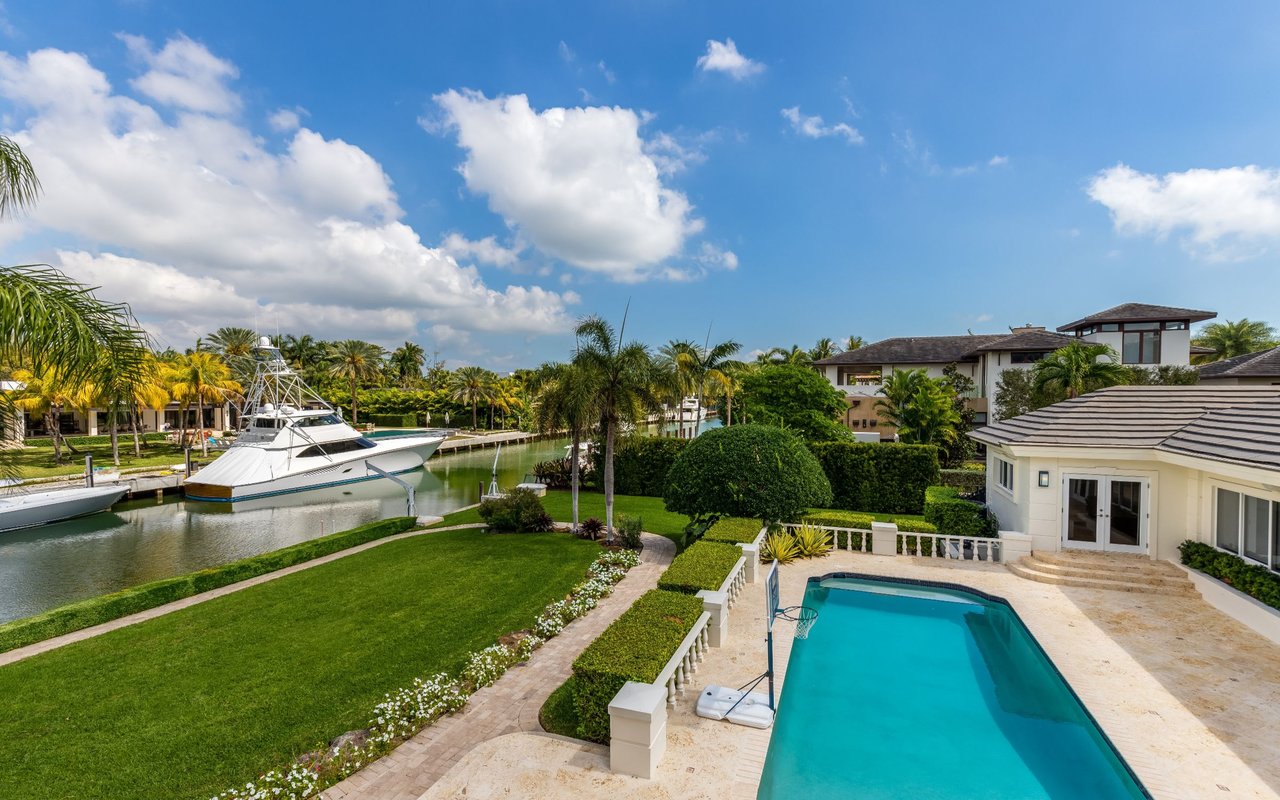
Some West of the Trail properties include waterfront features or sit close enough to the water that buyers assume expansion will be straightforward. Sarasota’s waterfront code says otherwise. Waterfront parcels can be subject to specific rules for dock length, dock area, and side setbacks measured from mean high water.
The zoning code also restricts accessory structures in required waterfront setbacks. If the property is waterfront, it deserves a separate review from the start. This is not just a standard home renovation with a premium view.
A smart due-diligence approach
When you evaluate an older West of the Trail home, try to think like an owner planning for both enjoyment and risk control. The most attractive opportunity is not always the one with the prettiest finishes or the biggest lot. Often, it is the parcel where the legal envelope, flood path, tree impact, and historic status are already understood before closing.
That approach can help you avoid overpaying for a project that looks easy on the surface but carries hidden regulatory friction. It can also help you spot homes where thoughtful renovation has a clearer path. In a market like Sarasota, that clarity is valuable.
Practical questions before you buy
If you are seriously considering an older renovation candidate in 34236, keep your early review focused on facts. Ask for a current survey, verify the zoning district, review flood information, and clarify whether the house may be historic or subject to additional review. Those steps can tell you more than a fresh coat of paint ever will.
For buyers and investors, this is where local, detail-oriented guidance makes a difference. Renovation opportunities West of the Trail can be compelling, but the best outcomes usually come from careful screening before you close, not problem-solving after the fact.
If you are weighing a renovation purchase in Sarasota and want discreet, informed guidance on the property, parcel, and permit-related factors that may affect value, Cassandra Miller can help you evaluate the opportunity with a clear local lens.
FAQs
What should you review first when evaluating an older West of the Trail home for renovation?
- Start with zoning, lot geometry, and whether the parcel is nonconforming, because those issues can determine what can be added, changed, or approved.
How do flood rules affect renovation plans for older Sarasota homes?
- In the City of Sarasota, if improvements equal or exceed 50 percent of the structure’s market value, the home may need to meet the same construction requirements as a new building, including elevation-related standards in flood zones.
Why is a current survey important for a Sarasota renovation purchase?
- A current sealed survey helps confirm lot dimensions, setbacks, easements, and other site constraints that can affect design options, permit risk, and expansion potential.
Can tree rules change a renovation project in West of the Trail?
- Yes. Sarasota requires permits to remove or relocate certain trees, and protected or large trees can affect footprint changes, driveway placement, and overall project scope.
Do older Sarasota homes need historic review before renovation or demolition?
- Some do. Homes that are more than 50 years old or tied to local historic review may need additional approvals for exterior changes, and demolition can take longer if historic review applies.
Are waterfront West of the Trail properties evaluated differently for renovation?
- Yes. Waterfront parcels may be subject to separate rules for docks, setbacks, and accessory structures, so they should be reviewed independently from a standard interior or non-waterfront remodel.