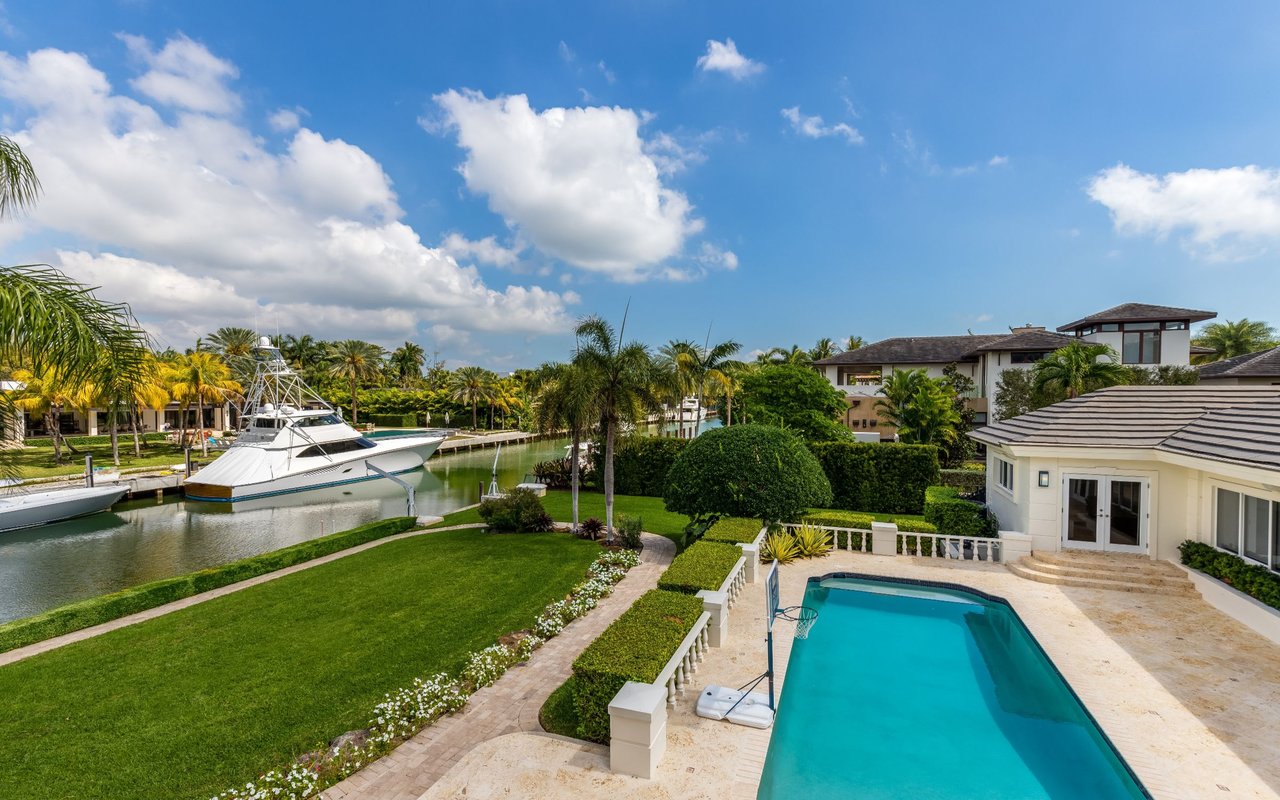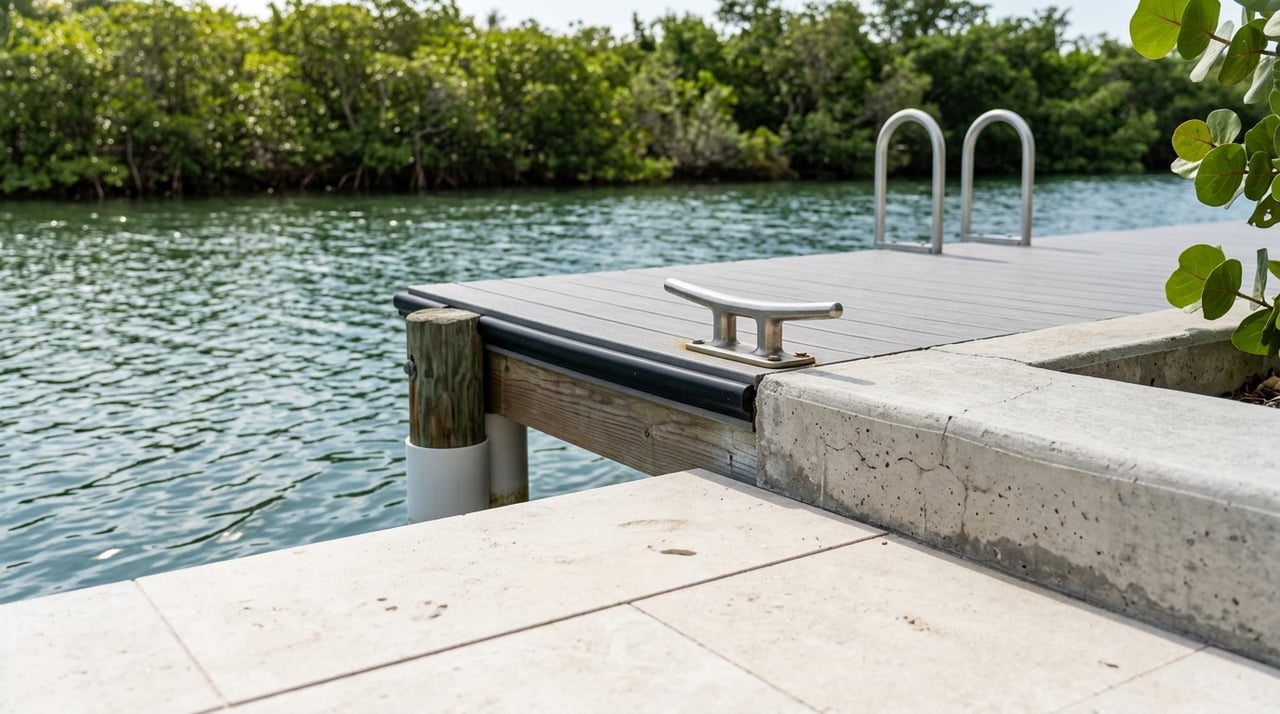
If you are buying on the water in Siesta Key, a standard home inspection is only part of the story. Waterfront property can come with added layers like flood-zone changes, dock limits, shoreline permits, and habitat protections that are easy to miss if you do not look early. The good news is that a focused due diligence plan can help you spot issues before they turn into costly surprises. Let’s dive in.
Why waterfront due diligence matters
Siesta Key waterfront homes deserve a broader review than many inland properties. Sarasota County updated its FEMA flood maps effective March 27, 2024, and those updates can affect flood zones, base flood elevations, and insurance requirements.
That matters because flood status can shape both monthly ownership costs and what improvements may be practical later. Sarasota County also notes that buildings in Special Flood Hazard Areas with federally backed mortgages require flood insurance.
On barrier-island properties, the details can get more technical. County guidance highlights Coastal A Zone and LiMWA areas, along with Zone VE, which can carry different flood and elevation implications than lower-risk inland zones.
Start with flood maps and elevation
One of the smartest first steps is checking the property’s flood information by address or parcel ID. This helps you understand whether the home sits in a Special Flood Hazard Area and whether insurance requirements may apply.
Just as important, ask for any existing elevation certificate early in the process. Sarasota flood-information guidance says elevation certificates are prepared by licensed surveyors, and buyers should ask sellers for any certificate already on file.
If one is not available, you may want to discuss ordering one as part of your survey work. Waiting until late in the inspection period can leave you with less time to evaluate flood-related costs and options.
Review the seawall and shoreline condition
A waterfront lot is only as functional as its shoreline improvements. If the property has a seawall, bulkhead, revetment, or other stabilization feature, you will want to understand both its condition and its likely repair path.
Sarasota County’s Environmental Permitting team handles shoreline-related improvements including docks, boat lifts, personal watercraft lifts, rock revetments, bulkheads, and maintenance dredges. The permit category matters because repair, replacement, and new work may follow different review paths.
Florida law adds another practical layer. When an existing vertical seawall is repaired or replaced, the reviewing agency generally should require the wall to be faced with riprap, or replaced with riprap, unless a listed exception applies.
For you as a buyer, that means a worn seawall may not be rebuilt exactly as it looks today. Future shoreline work could involve a different design, different cost, and different approval process than you expected.
Confirm dock layout and boat access
On Siesta Key, buyers often focus on whether a home has a dock. A better question is whether the current dock setup supports the boating use you actually want.
Dock feasibility is part permitting and part geometry. Florida DEP guidance says single-family docks may qualify for self-certification in some situations, but dock size and placement can still be limited by waterbody type and nearby resource areas.
The same guidance says a single-family dock generally should not extend waterward more than 500 feet of mean high water or 20 percent of the waterbody width, whichever is less. It also says the dock generally should not extend beyond a depth of minus 4 feet mean low water.
If the depth at the bulkhead is already minus 4 feet mean low water, dock length is limited to 25 feet. In simple terms, that means the shape of the lot and the underwater depth can directly affect whether a dock works for your vessel.
When a bathymetric survey matters
If the property fronts open water, underwater depth becomes especially important. The City of Sarasota’s dock checklist for Sarasota Bay requires a signed and sealed bathymetric survey with the proposed dock shown on the survey so staff can verify required depth.
The same checklist calls for dock length from the mean high-water line, maximum decking elevation, and the locations of items such as lifts and tie-off pilings. Even if you are not planning immediate changes, this gives you a useful framework for evaluating future dock flexibility.
Watch for mangroves and nearshore habitat
Waterfront beauty can come with environmental rules that are easy to underestimate. If a property has mangroves or sensitive shoreline habitat, those features can affect trimming, access, repairs, and future improvements.
Sarasota County says mangroves have special protections, and many trimming activities require a permit. In permitted cases, a Professional Mangrove Trimmer is required for trimming or alteration.
The county also reviews dock and shoreline permits to minimize adverse effects on seagrasses, oyster beds, littoral zone vegetation, and bottom sediments. For buyers, this means that what looks like a simple cleanup or dock revision may involve environmental review.
Verify shoreline boundaries and legal limits
On waterfront property, assumptions about where your rights begin and end can create problems. Florida law treats the mean high-water line as the boundary between state-owned foreshore and upland that may be privately owned.
DEP also states that sovereignty submerged lands include lands waterward of the ordinary or mean high-water line. That makes the exact shoreline line, riparian boundary, and any submerged-land authorization important when you review a property with a dock, lift, or seawall.
If the home is Gulf-front, the rules can become even more restrictive. Florida’s coastal setback statute generally prohibits construction of dwellings, seawalls, revetments, and related structures within 50 feet of mean high water on Gulf shorelines, subject to specific exceptions and variance procedures.
Sarasota County also reviews variances for construction or excavation seaward of the Gulf Beach Setback Line or waterward of the Barrier Island Pass Twenty-Year Hazard Line. For barrier-island property on Siesta Key, that is a major reason to investigate future build or renovation plans early.
Check permit history before you commit
One visible mistake buyers make is assuming an existing improvement must be fully permitted because it is already there. That is not always a safe assumption.
Florida law requires a coastal construction permit for certain activities below the mean high-water line of tidal waters, including seawalls, revetments, breakwaters, excavation, or maintenance dredging. Sarasota County also separates applications into General, Minor, and Major permits depending on the work involved.
A practical step during due diligence is comparing seller documents to the public permit record. Sarasota County’s permit portal allows searches by address or parcel ID, which can help you confirm whether a dock, seawall, lift, or dredging activity has a permit history that matches the paperwork provided.
Build a targeted due diligence team
For many Siesta Key waterfront purchases, a general inspection alone is not enough. A more effective approach is a small specialist team focused on the parts of the property that carry the most risk.
The most useful professionals often include:
- A licensed surveyor
- A marine contractor or coastal engineer
- A flood insurance agent
- County environmental staff or a qualified mangrove professional when shoreline habitat is involved
This kind of team can help you connect the dots between elevation, shoreline condition, dock usability, and permit history. It is a more strategic approach than trying to solve every waterfront question after closing.
Documents to request before closing
A well-prepared seller may already have useful records available. Even so, you should verify what exists and what may still need to be ordered or reviewed.
Ask for:
- The current survey
- Any elevation certificate on file
- Permit numbers and permit records
- Dock and seawall documentation
- Any dredging approvals
- Maintenance and repair invoices
If the purchase involves a condo or shared-slip arrangement, review the governing documents carefully. You will want to confirm whether dock access is deeded, assigned, or controlled by the association before the inspection period ends.
A practical Siesta Key due diligence mindset
The goal is not to overcomplicate every waterfront purchase. It is to recognize that Siesta Key homes on the water have more moving parts than the average contract.
Flood maps, elevation, seawall condition, dock geometry, underwater depth, habitat constraints, and permit history can all affect your ownership costs and future plans. When you review those items early, you can negotiate with better information and move forward with more confidence.
If you are considering a waterfront purchase on Siesta Key and want a discreet, detail-oriented approach, Cassandra Miller can help you evaluate the property with the level of care these homes deserve.
FAQs
What flood items should Siesta Key buyers check first?
- Check the property’s flood zone, whether it is in a Special Flood Hazard Area, and whether an elevation certificate is available early in the contract period.
Is flood insurance required for a Siesta Key waterfront home?
- Sarasota County says flood insurance is required for buildings in Special Flood Hazard Areas when the mortgage is federally backed.
Can an existing dock on Siesta Key be rebuilt the same way?
- Not always. Whether a dock can be rebuilt in the same size, shape, or location depends on the permit path and whether the work fits current county or state requirements.
When do Siesta Key buyers need a bathymetric survey?
- It is especially relevant when a dock extends into open water or when water depth must be verified for dock approval, including Sarasota Bay conditions referenced in the city’s dock checklist.
What should buyers know about mangroves on Siesta Key lots?
- Sarasota County says mangroves have special protections, many trimming activities require a permit, and permitted trimming or alteration requires a Professional Mangrove Trimmer.
What records should Siesta Key waterfront buyers request from the seller?
- Ask for the survey, elevation certificate, permit numbers, dock and seawall records, dredging approvals, and maintenance invoices so you can compare seller records with public permit history.