Wondering what “West of the Trail” really means when you see it in Sarasota listings? You are not alone. The phrase is everywhere, yet it is more of a local shorthand than a hard line on a map. In this guide, you will learn where it typically starts and ends, the lifestyle it signals, the types of homes you will find, and the key due diligence steps to take before you buy. Let’s dive in.
What “West of the Trail” means
A local shorthand, not a boundary
Locals use “the Trail” to mean Tamiami Trail, also known as U.S. Highway 41. When someone says “West of the Trail,” they generally mean the side of US‑41 that faces Sarasota Bay. It is a convenient way to describe being closer to downtown, the bayfront, marinas, and the causeways to the barrier islands.
There is no single official perimeter for this phrase. Different agents and residents draw the area a little differently. When you shop or make an offer, pair the phrase with specific cross streets or named neighborhoods.
Where it starts and ends
A practical working definition is this: it starts at the first blocks west of US‑41 and extends toward the bay and the causeways. Some people limit it to the bayfront and adjacent blocks. Others include nearby walkable, historic neighborhoods that sit close to downtown. It rarely implies areas farther inland. Barrier islands like Lido Key and Siesta Key are geographically west of the Trail, yet they are usually discussed as separate markets.
If you want parcel‑level certainty as you research, review the Sarasota County Property Appraiser parcel lookup and compare what you see to local usage.
Neighborhoods you will hear
- Downtown Sarasota and the Bayfront: Core walkable blocks with cultural venues, parks, and marinas along Sarasota Bay.
- Burns Court and Burns Square area: Historic, small‑lot blocks with dining and arts access near downtown.
- Rosemary District: Walkable district with restaurants and shops close to downtown amenities.
- Golden Gate Point: A small peninsula with bay views and a mix of historic and luxury residences.
- Towles Court Historic District: Pocket neighborhood known for historic cottages near downtown.
- Gillespie Park area: Older homes on a grid of streets near downtown conveniences.
- Lido Key and St. Armands access areas: Western gateways toward beaches and St. Armands Circle, often referenced for convenience, though island markets are typically covered separately.
Because the phrase is colloquial, you will see these neighborhoods included or excluded depending on who is speaking. Use specific addresses and parcel maps to confirm the exact location you want.
Lifestyle and daily living
Choosing West of the Trail usually means you want proximity to the bay, downtown, and cultural life. You can enjoy Bayfront parks, quick access to marinas like Marina Jack, and a short hop over the Ringling Bridge to St. Armands and Lido Beach. You are also close to performance venues and museums, with a range of dining and gallery options in and near downtown.
The street pattern is more urban than suburban, with smaller lots and more multi‑family buildings than you will find farther east. You trade a larger yard for walkability and convenience. Seasonal traffic and parking pressure can rise during winter and spring, so plan your routines with peak times in mind.
For day‑to‑day needs, you will find grocery, healthcare, and transit options along US‑41 and downtown. Beach days are easy: Lido is a short drive, and Siesta Key is nearby via different routes.
Home types and price tiers
What you will find
Housing west of US‑41 spans:
- Low‑rise and mid‑rise condos, many near the bay
- Luxury high‑rise condos with water views
- Historic cottages and bungalows on small lots
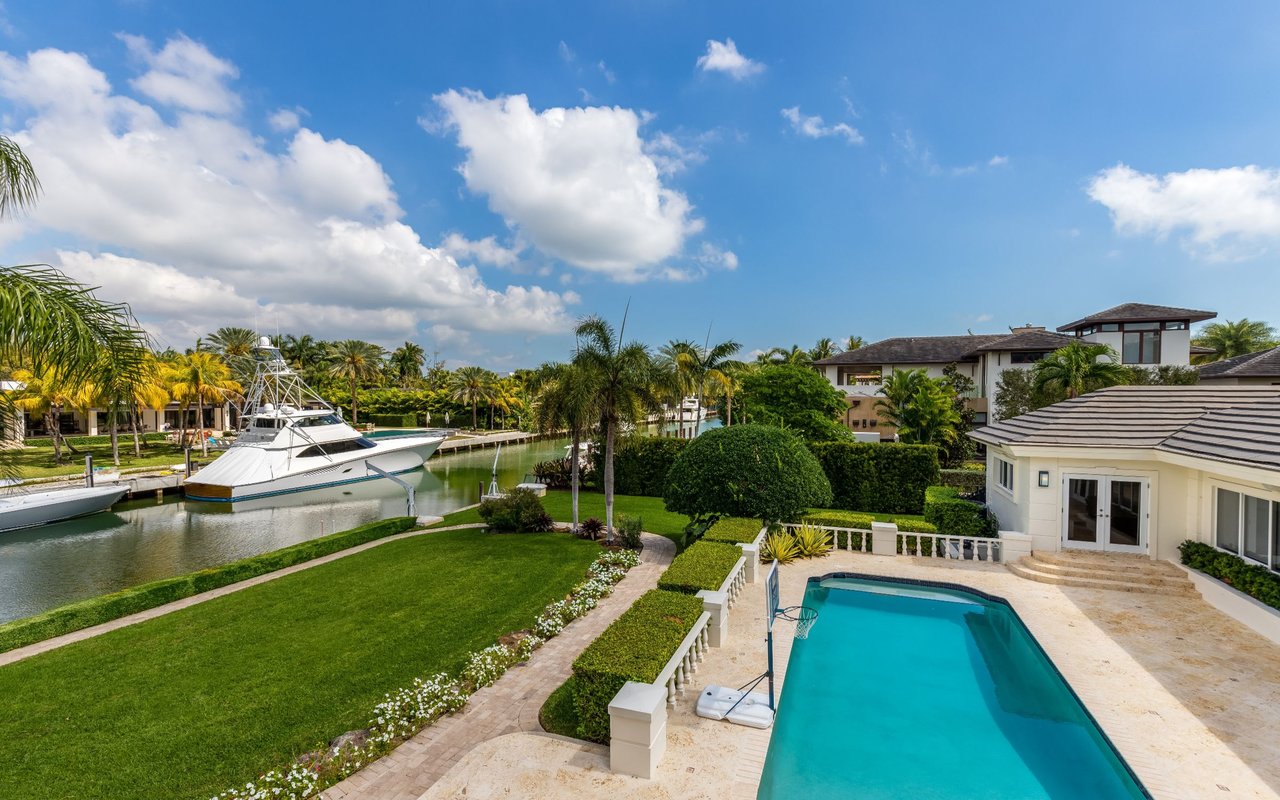
- Single‑family homes ranging from modest infill to bayfront estates
- Townhomes and new infill builds
Many homes date from the 1920s to the 1960s, and you will see both preserved historic pockets and modern new construction. Renovation, teardown, and rebuild activity is common on desirable blocks close to the water and downtown.
Typical price positioning
Every block is different, and pricing moves with views, water access, building amenities, and the market cycle. As a general orientation for early research:
- Entry‑level condos in older, non‑waterfront buildings can be a more accessible way to be West of the Trail, often starting in the low‑to‑mid six figures depending on the cycle.
- Updated condos and single‑family homes in good locations without direct waterfront typically land in the mid six‑figure to low seven‑figure ranges.
- Premium waterfront homes and luxury high‑rise condos command multiple millions, especially with direct bayfront exposure, private docks, or panoramic views.
Demand tends to be stronger for walkable bayfront and downtown‑adjacent locations, and seasonal interest rises in winter and spring. For current medians and trend data, review local MLS reports or the Sarasota Association of Realtors market statistics.
Due diligence essentials
Buying near the bay comes with specific checks. Build these steps into your process so you understand both lifestyle and long‑term costs.
- Flood zones and elevation: Many near‑bay properties lie in FEMA flood zones that can require flood insurance and elevated building standards. Look up addresses in the FEMA Flood Map Service Center and request elevation certificates when available.
- Hurricane and wind mitigation: Older structures may face higher insurance costs unless retrofits are in place. Ask for wind mitigation reports.
- Seawalls, docks, and permits: If you pursue waterfront or a property with dockage, verify seawall condition, ownership, and any county or city permits for docks and lifts. Consider a coastal inspector with marine experience.
- Historic district rules: Some pocket neighborhoods have design review processes that affect renovations. Start with the City of Sarasota planning and historic preservation resources to understand what applies to a specific address.
- Short‑term rental rules: Regulations vary by jurisdiction and property type. Confirm requirements and zoning via Sarasota County short‑term rental and zoning information and check any city rules that apply.
- Condo and HOA health: Review association budgets, reserves, and meeting minutes. Monthly fees and pending assessments can shape your carrying costs.
- Parking and access: Some blocks have limited private parking or on‑street restrictions. Confirm guest parking and garage availability.
Quick research checklist:
- Confirm parcel details with the Sarasota County Property Appraiser
- Check FEMA flood zone status and request elevation certificate if available
- Order a current survey and review for encroachments, seawall lines, and easements
- Request HOA or condo documents, budgets, reserves, and rules
- Hire a coastal inspector to evaluate roof, windows, seawalls, and salt‑related wear
- Verify short‑term rental rules if rental income matters to you
- If schools are a factor, confirm assignments with Sarasota County Schools
- Visit the neighborhood at different times to gauge traffic and noise levels
How to start your search
- Define your map: List the streets or micro‑neighborhoods that fit your goals, then confirm locations on parcel and flood maps.
- Prioritize lifestyle: Decide how you rank walkability, water access, views, parking, and building amenities.
- Test‑drive blocks: Walk or drive the area during weekdays, weekends, and evenings to feel the rhythm.
- Plan for seasonality: Inventory and pricing shift during winter and spring. If you are coming from out of state, discuss timing and offer strategies in advance.
- Pair strategy with expertise: A local advisor with waterfront knowledge can help you weigh buildability, insurance, seawall condition, and association health before you commit.
Ready to narrow your West of the Trail options with a precise, address‑by‑address plan? Connect with Cassandra Miller for a confidential consultation tailored to your lifestyle and investment goals.
FAQs
What does “West of the Trail” mean in Sarasota?
- It is local shorthand for the side of US‑41 that lies toward Sarasota Bay and downtown amenities, not a formal boundary.
Where does West of the Trail start and end?
- It typically starts at the first blocks west of US‑41 and extends toward the bay and causeways, with exact limits varying by who defines it.
What lifestyle should I expect West of the Trail?
- Expect strong access to downtown dining, culture, marinas, and beaches, with smaller lots and more multi‑family options than suburban areas.
What types of homes are common West of the Trail?
- You will see condos of all sizes, historic cottages, townhomes, and single‑family homes ranging from modest infill to luxury bayfront estates.
How do prices compare to east of the Trail?
- Comparable homes often command a premium due to walkability and bay proximity, though exact differences vary by block and building.
How important is flood insurance near the bay?
- It is essential to check; many properties fall within FEMA flood zones that may require flood insurance and impact building standards.
Are short‑term rentals allowed West of the Trail?
- Rules vary by jurisdiction and property type; verify county or city regulations and any HOA or condo restrictions before you buy.